

California’s Most Accessible 14ers That Still Demand Respect
Hike White Mountain, a remote but straightforward adventure among bighorn sheep and ancient bristlecone pines. Ascend Mount Langley above the picturesque Cottonwood Lakes in the Golden Trout Wilderness. Then climb iconic Mount Whitney, the tallest peak in the contiguous United States.
While international expeditions often steal the spotlight, those seeking true wilderness adventures would do well to look closer to home. California’s 15 peaks above 14,000 feet offer demanding yet achievable objectives for well-prepared hikers and climbers.
This is the first installment in our California 14ers series. Each article highlights one or more commonly used routes, along with key planning considerations before you go.
Before You Go
We’ll begin with the standard, least technical routes, but don’t mistake “easiest” for easy. These are serious mountain objectives. Every year, the High Sierra sees injuries, search-and-rescue incidents and fatalities.
Successful climbs require fitness, acclimatization, appropriate gear and proficiency in route-finding, off-trail travel and mountain travel skills. This article is an introduction—not a complete guide or instructional resource.
Those without experience should seek instruction and build skills on less committing objectives before attempting a California 14er.
Permits are required for many routes and can be difficult to obtain. June through September generally offers the most stable conditions, but snow, lightning, hail and high winds remain possible during any month.
Still want to go? Good.
These warnings are meant to encourage preparation—not discourage adventure. With patience, sound judgment and respect for the mountains, climbing California’s highest peaks can become some of the most rewarding experiences in the Sierra.
White Mountain Via White Mountain Road
Distance: 15 miles round trip
Time: 8–10 hours
Difficulty: Class 1
Land Agency: Inyo National Forest
Nearest Services: Big Pine
Trailhead: Barcroft Gate (11,700 ft.)
Summit: 14,252 ft.
Elevation Gain: 2,552 ft.
Permits: None for day use (verify current regulations)
A dirt road climbs high into the White Mountains, making White Mountain one of California’s least technical 14ers. From Big Pine, take Highway 168 east for 13 miles, then turn left onto White Mountain Road. The first 10 miles are paved; the remaining 16 miles are rocky dirt.
From Barcroft Gate, hike north past the research station and observatory before crossing an expansive alpine plateau toward the summit. Although the mountain’s name suggests snow, its volcanic slopes display rich shades of brown, orange and gray. The final two miles climb steadily via switchbacks to a stone research cabin on the summit.
Strategy Tip: Carry plenty of water. The route is completely exposed and extremely dry.

Mount Langley Via New Army Pass
Distance: 22 miles round trip
Time: 2–3 days
Difficulty: Class 1
Land Agency: Inyo National Forest / Sequoia National Park
Nearest Services: Lone Pine
Trailhead: Cottonwood Lakes (10,000 ft.)
Summit: 14,159 ft.
Elevation Gain: 4,032 ft.
Permits: Overnight permits required.
Mount Langley offers one of California’s finest backpacking approaches to a 14er. While some hikers complete the route in a long day, most choose to spend one or two nights among the Cottonwood Lakes.
Beginning at Horseshoe Meadows, the trail climbs gradually through forests and alpine lakes before ascending New Army Pass. From there, the route follows broad ridgelines to the summit with sweeping views of the southern Sierra.
On the descent, experienced hikers sometimes choose Old Army Pass, which shortens the route but can retain snow and ice well into summer. Route choice should always reflect current conditions and personal experience.
Strategy Tip: Camp near Cottonwood Lake #2 and retrieve your overnight gear on the descent.

Mount Whitney Via Mount Whitney Trail
Distance: 22 miles round trip
Time: 1–2 days
Difficulty: Class 1
Land Agency: Inyo National Forest / Sequoia National Park
Nearest Services: Lone Pine
Trailhead: Whitney Portal (8,300 ft.)
Summit: 14,505 ft.
Elevation Gain: 6,205 ft.
Permits: Required.
Mount Whitney remains California’s most iconic summit. Although many hikers complete the climb in a single day, spending a night on the mountain often improves both enjoyment and summit success.
From Whitney Portal, the trail climbs steadily past Lone Pine Lake before reaching Outpost Camp and Trail Camp. Beyond Trail Camp, hikers tackle the famous 99 switchbacks before joining the John Muir Trail for the final two miles to the summit.
Standing atop the highest point in the contiguous United States rewards climbers with one of the finest panoramas in the Sierra Nevada.
Strategy Tip: Despite permit challenges, stick to the summer season whenever possible. Snow and ice dramatically increase the difficulty and objective hazards.


Mount Muir
A Worthwhile Bonus Summit
Distance: 0.5 miles round trip from the Mount Whitney Trail
Time: About 1 hour
Difficulty: Class 3
Land Agency: Sequoia National Park
Summit: 14,012 ft.
If you’re already climbing Mount Whitney, Mount Muir offers one of California’s quickest additional 14ers.
Leave the Mount Whitney Trail roughly 1.5 miles south of Whitney’s summit and follow a use trail toward Muir’s west side. A short Class 3 scramble leads to the summit block.
Although the climbing is brief, it requires confident movement on exposed rock and may not be appropriate for hikers already stretched beyond their comfort zone.
Strategy Tip: If you’re comfortable on Class 3 terrain, adding Mount Muir now is much easier than returning for a separate trip.
Coming Next
Part II of the California 14ers series explores Split Mountain, Mount Russell and Mount Shasta—longer approaches, greater elevation gain, more route-finding and the first true mountaineering terrain.
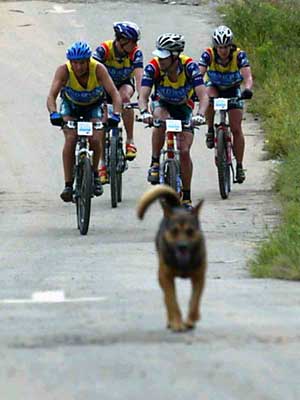
MAIN PHOTO: Hikers descend across the alpine plateau in California’s White Mountains (Lucía Quintero / Visit Bishop)
Read other articles by Matt Johanson here.